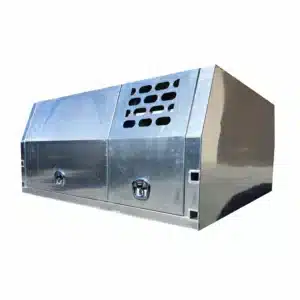
According to one survey, many Australian tradesmen just focus on price or appearance when selecting a tradesman trailer, but often ignoring many important factors such as tradesman trailer models, size and load capacity, which can lead to reduced efficiency, higher maintenance costs and safety risks over time.
A tradesman trailer is purpose-built for transporting tools, equipment and materials safely and efficiently. When choose the right one, you must well understand tradesman trailer size, model and load capacity. You also need to decide if a custom tradesman trailer or dual axle tradesman trailer is necessary for long-term efficiency and operational safety.
The right tradesman trailer can directly improve workflow, reduce downtime and protect tools and materials during transport. This guide offers a comprehensive manufacturer’s perspective to help Australian tradesmen make the best decision for business.
1. What Is a Tradesman Trailer?
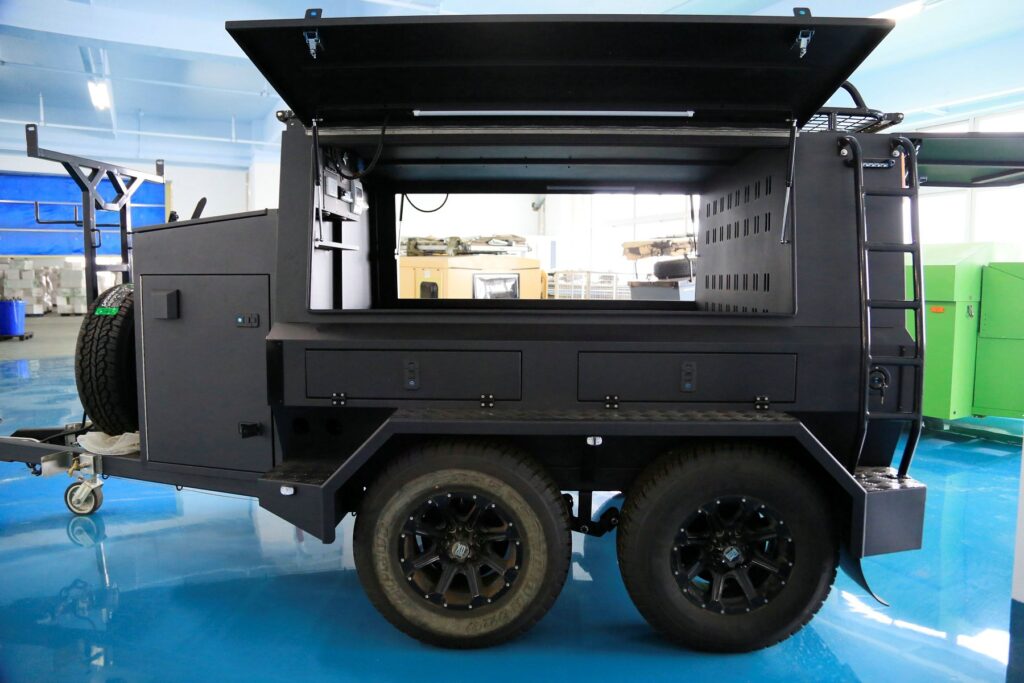
From a manufacturing standpoint, a tradesman trailer also called tradie trailer, it is a heavy-duty, purpose-built trailer platform designed for professional tradesmen. Unlike standard box trailers or enclosed motor trailer, it is special engineered for stability, durability and organized storage of tools and materials.
Key Features:
- Reinforced steel or aluminum chassis for weight optimization and strength
- MIG or TIG welded joints for long-term durability
- Leaf-spring or torsion axle systems for smooth load distribution
- Heavy-duty tires rated for maximum tradesman trailer load capacity
- Customizable compartments, ladder racks, jerry can holders, and sliding drawers
Manufacturers focus on precise engineering and quality control to ensure the trailers can work well for frequent heavy-duty use while maintaining structural integrity.
Why Choose a Manufactured Trailer:
- Professionally tested for load capacity
- Engineered for stability and road handling
- Supports dual axle configuration for heavy-duty transport
- Provides long-term durability for Australian working conditions
- can be customized according to your needs and requirements.
2. Uses of Tradesman Trailers in Australia
Australian tradesmen use tradesman trailers across multiple industries. The correct tradesman trailer size and load capacity vary depending on tool quantity, material weight, and travel frequency.

Industry Applications:
- Electricians: Small to medium trailers (8×5 ft – 10×5 ft) with organized tool compartments for easy access to cables, drills, and electrical components.
- Plumbers: Medium trailers (10×5 ft) for transporting pipes, pumps, fittings, and water tanks.
- Builders: Large trailers (12×6 ft) with dual-axle support to carry bricks, cement, timber, and heavy tools.
- Mobile Maintenance/Service Professionals: Custom trailers with compartments for specialized tools, sliding drawers, ladder racks, and jerry can holders.
Tradesman Trailer Sizes and Load Capacities (Australia Reference)
| Trailer Size (ft) | Typical Applications | Load Capacity (kg) | Single/Dual Axle | Suitable Users |
| 8×5 | Electricians, Light Tools | 600–800 | Single | Electricians, Plumbers |
| 10×5 | General Construction | 800–1200 | Single/Dual | Electricians, Builders |
| 12×6 | Heavy Construction | 1200–1800 | Dual | Builders, Mobile Maintenance |
3. Tradesman Trailer vs Ute Tray: Which One Is Better?
Many tradesmen ask whether a tradesman trailer or a ute tray is better. The answer depends on load type, travel distance and workflow requirements.
Ute Tray: Suitable for light loads and short trips. Less organized storage. Limited long-term durability for heavy tools.
Tradesman Trailer: Higher load capacity, superior tool management, better long-term durability, and easier to customize for specialized tools.
Why Tradesman Trailers Win:
- Independent chassis designed for heavy loads
- Optimized compartments for organized tool storage
- Dual axle options for stability
- Reduced wear and tear on vehicles compared to overloading a ute
Overall, while ute trays can handle light loads and short trips, a tradesman trailer offers superior load capacity, organized tool storage and long-term durability. For tradesmen carrying heavy tools, traveling long distances or needing customization, a tradesman trailer provides better safety, efficiency and workflow optimization, all these makes it the preferred choice for professional operations.

4. Tradesman Trailer Models: Single vs Dual Axle
Tradesman Trailer models differ mainly in axle configuration, which directly affects load capacity and stability.
Single Axle Trailers:
- Load capacity: 600–1200 kg
- Cost-effective for light-duty work
- Suitable for electricians, plumbers, and small tool loads
Dual Axle Trailers:
- Load capacity: 1200–1800 kg
- High stability, reduced chassis stress
- Ideal for builders, heavy tools, long-distance transport
- Recommended when carrying concentrated loads or frequent heavy-duty use
Single vs Dual Axle Comparison
| Feature | Single Axle | Dual Axle |
| Stability | Medium | High |
| Load Capacity (kg) | 600–1200 | 1200–1800 |
| Typical Users | Electricians, Plumbers | Builders, Mobile Maintenance |
| Cost | Lower | Higher |
| Long-Term Durability | ⭐⭐⭐ | ⭐⭐⭐⭐ |
Choosing between a single or dual axle tradesman trailer depends on your business needs and typical load capacity requirements. Single axles are ideal for light tools and short-distance transport, offering cost-effectiveness and easier maneuverability. Dual axles provide higher load capacity, greater stability, and long-term durability, making them suitable for heavy-duty work, builders, and long-distance operations. By assessing your tool weight, travel distance, and workflow, you can select the configuration that ensures both safety and efficiency.
5. How to Choose the Best Tradesman Trailer
Choosing the right tradesman trailer is more than selecting size or cost—it requires analyzing your industry, load and workflow needs.
Step-by-Step Selection Guide:
- List all tools, materials, and equipment you transport regularly.
- Measure total weight and dimensions to calculate load requirements.
- Determine the appropriate tradesman trailer size and load capacity.
- Decide between single or dual axle based on stability and long-term use.
- Consider custom tradesman trailer options such as compartments, sliding drawers, ladder racks, or jerry can holders.
- Leave 20–30% load margin for future growth.
Following these helpful steps can ensure the safe transport and reduce easy wear and long-term cost savings.
6. Why Consider a Custom Tradesman Trailer?
Standard trailers can meet basic requirements, but frequent professional use often demands custom tradesman trailers that built accoridng to your needs and requirements.
Benefits of Custom Trailers:
- Tailored compartment layout for tools and materials
- Reinforced chassis for heavy-duty operations
- Optimized axle spacing and load distribution
- Integration of accessories like sliding drawers, ladder racks, jerry can holders, and spare wheel mounts
Example Use Case:
A plumbing business may need a 10×5 ft trailer with compartments for pipes, fittings, and pumps, added a sliding drawer for small tools. A custom tradesman trailer can ensure all items are organized, easily accessible and balanced weight for safety.
7. Common Mistakes When Buying a Tradesman Trailer
Most problems occur due to improper trailer selection rather than poor manufacturing quality.
Typical Mistakes:
- Underestimating tradesman trailer load capacity
- Choosing the wrong tradesman trailer size
- Ignoring the advantages of dual axle tradesman trailers
- Neglecting future business expansion and tool growth
Avoiding these mistakes can ensure longer trailer lifespan, reduced maintenance costs and safer operations.

8. Maintenance Tips for Tradesman Trailers
Proper maintenance can help improve tradie trailer’s stability and load capacity.
Maintenance Practices:
- Inspect tire pressure, wheel bearings, and suspension regularly
- Check weld joints and chassis for cracks or corrosion
- Lubricate moving parts, including sliding drawers and hinges
- Align dual axles correctly to ensure even weight distribution
- Clean compartments after heavy use to prevent tool damage
Routine maintenance can extend trailer life by 30–50% and reduce costly downtime. This can help save much money and time.
9. Detailed Tradesman Trailer Features
Key Components:
- Chassis: Steel for durability or aluminum for lighter weight and corrosion resistance
- Axles & Suspension: Single vs dual axle, leaf spring or torsion for stability
- Tool Storage: Sliding drawers, partitioned compartments, lockable toolboxes
- Accessories: Ladder racks, jerry can holders, mudguards, spare wheel holders
Recommended Configurations for Australian Tradesmen:
- Electricians: 8×5 ft, single axle, compact tool compartments
- Plumbers: 10×5 ft, optional dual axle, compartments for pipes and pumps
- Builders: 12×6 ft, dual axle, reinforced chassis, multiple storage options
Custom Features Examples:
| Feature | Function | Recommended Use |
| Sliding Drawer | Organize small tools | Electricians, Plumbers |
| Ladder Rack | Carry ladders safely | Builders, Mobile Maintenance |
| Jerry Can Holder | Transport fuel/water | Mobile Maintenance, Builders |
| Spare Wheel Holder | Easy access for tire replacement | All trades |
10. FAQ – Tradesman Trailer Selection & Use
Q1: How do I determine the correct tradesman trailer size?
A1: Calculate the total weight of tools and equipment, consider compartment needs, and match the appropriate size and axle configuration.
Q2: When is a dual axle tradesman trailer necessary?
A2: For loads exceeding 800 kg, long-distance travel, or concentrated heavy tools, dual axles improve stability and reduce wear.
Q3: Can I get a custom tradesman trailer for specific tools?
A3: Yes. Manufacturers can create trailers with tailored compartments, sliding drawers, ladder racks, and optimized load distribution.
Q4: How to maintain maximum tradesman trailer load capacity?
A4: Regularly inspect tires, axles, suspension, and chassis. Distribute weight evenly and avoid exceeding rated capacity.
Q5: What industries benefit most from tradesman trailers?
A5: Electricians, plumbers, builders, mobile service professionals, and construction companies requiring organized, safe, and heavy-duty tool transport.
Q6: Can I expand storage on an existing trailer?
A6: Custom modifications are possible, including adding sliding drawers, toolboxes, ladder racks, and jerry can holders.
Q7: How long does a professionally manufactured trailer last?
A7: With proper maintenance, trailers can last 10+ years, even under heavy-duty daily use.
Q8: Is aluminum or steel better for tradesman trailers?
A8: Aluminum reduces weight and resists corrosion; steel provides maximum strength and durability. Choice depends on load requirements and travel distance.
Summary
When you are choosing a right tradesman trailer, you must evaluate tradesman trailer size, model, load capacity and business requirements. Dual axle and custom tradesman trailers can greatly enhance safety, efficiency, workflow and ensure long-term professional performance.