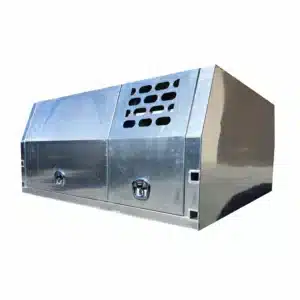
In Australien, Neuseeland und auf der ganzen Welt, Praktische Pickup-Trucks sind zu einem unverzichtbaren Mehrzweckfahrzeug auf der Baustelle geworden, Transport auf dem Bauernhof und Outdoor-Abenteuer. Als Schlüsselparameter zur Messung der Tragfähigkeit des Fahrzeugs, Größe des Gerätefachs kann sich direkt auf die Praktikabilität auswirken, Einhaltung gesetzlicher Vorschriften und Fahrsicherheit.
Dieser Artikel konzentriert sich darauf, wie man das Passende auswählt Größe des Gerätefachs aus den Maßen der Standardgrößenklassifizierung, praktische Szenarien, Auswahlempfehlungen und Individualisierungstrends, um Sie bei der wissenschaftlichen Entscheidungsfindung beim Kauf zu unterstützen, eine Abholung ändern oder warten.
Standardklassifizierung der Größen von Ute-Tabletts Es gibt keinen globalen Standard für Ute-Tablettgrößen, aber auf dem australischen Markt, Je nach Kabinentyp gibt es die Ablagen in verschiedenen Größen (Doppelkabine, Einzelkabine, usw.) und das konkrete Fahrzeugmodell. Allgemein, Doppelkabinenablagen sind kürzer und breiter, während Einzelkabinenablagen länger sind.
Kabinentyp Länge (mm)Breite (mm)Beliebtes Modell verwenden Einzelkabine 2400–2800 1800–1900 Toyota Land Cruiser 79 Bauernhof, Schwerlasttransport, großer Modifikationsraum Doppelkabine 1600–1800 1770–1820 Ford Ranger, Hilux Täglicher Pendelverkehr und Werkzeugtransport Zusätzliche Kabine 1800–2200 1800–1850 Isuzu D-Max Extra Cab Bringen Sie den Platz im Fond und die Ladekapazität in Einklang
Tipp: Die australischen Straßenverkehrsvorschriften begrenzen in der Regel den hinteren Überhang und erlauben keine darüber hinausgehende Länge der Ladefläche 60% des Radstandes. Ansonsten, Das Fahrzeug ist möglicherweise nicht zugelassen oder es drohen Bußgelder.
Wie wirkt sich die Größe des Ute-Tabletts auf die Praktikabilität und das Fahrerlebnis aus?? Die Größe des Utensilientabletts bestimmt, was Sie transportieren können, wie viel es tragen kann und wie weit es reisen kann – Es geht nicht nur um Daten, sondern auch um Arbeitseffizienz und Sicherheit.
1. Tragfähigkeit und Materialart
Langes Ute-Tablett (über 2400mm): Geeignet für den Transport langer Rohre, Holzbretter, Werkzeugschränke, usw., Wird häufig in Bauprojekten oder landwirtschaftlichen Materialien verwendet.
Kurzes Ute-Tablett (ca. 1600mm): Geeignet für den täglichen Gebrauch im Haushalt oder für leichte Geräte, bequemes Parken und Betrieb.
2. Schwerpunkt und Fahrstabilität
Je länger das Ute-Tablett ist, desto weiter hinten liegt der Schwerpunkt der Ladung, was den Heckschwenk- und Bremsweg während der Fahrt verlängert. Dies wird besonders deutlich, wenn Sie auf Autobahnen oder unwegsamem Gelände fahren. daher, Bei zweireihigen Fahrzeugen wird davon abgeraten, eine besonders lange Ablageschale anzubringen.
3. Parken und Stadtverkehr
Bei der Verwendung von Utensilien und Tabletts in der Stadt, insbesondere in engen Gassen oder Tiefgaragen, Eine kürzere Größe des Ute-Tabletts ist flexibler. Unsachgemäß installierte lange Ablagen können zu Schwierigkeiten beim Wenden führen oder andere Fahrzeuge treffen.
So wählen Sie je nach Verwendungszweck die richtige Größe des Ute-Tabletts aus? Unterschiedliche Arbeitsbedingungen stellen unterschiedliche Anforderungen an die Größe des Gerätetabletts. Die folgenden Vorschläge können Ihnen dabei helfen, die Größe des Gerätetabletts genau an Ihre Bedürfnisse anzupassen:
Zustand Taxi Größen Material Tipps Bauprojekte Einzel 2400–2700 mm Stahl/Aluminium Kann mit Werkzeugkästen installiert werden, Kranarme. Transport auf dem Bauernhof Einzel/Extra 2200–2600mm Legierung Rostfrei, Geeignet für den Vieh- und Getreidetransport Stadtverkehr Dual 1600–1800 mm Legierung Einfaches Parken und mäßige Ladekapazität Outdoor-Camping Dual/Extra 1700–2000mm Legierung Kann Wassertanks hinzufügen, Stromversorgungssysteme, usw.
Vorsichtsmaßnahmen zum Anpassen der Größe des Gerätefachs 1. Compliance-Überprüfung
In Australien, Jeder Staat hat strenge Vorschriften Fahrzeuggröße . Nachdem das Ute-Tablett verlängert wurde, Es muss die folgenden Anforderungen erfüllen:
Die Gesamtlänge darf nicht überschritten werden 12.5 Meter
Der hintere Überhang darf nicht größer sein 60% des Radstandes
Rücklichter und Nummernschilder können nicht blockiert werden
Es wird empfohlen, sich vor der Änderung an das Zertifizierungspersonal für Fahrzeugtechnik oder an registrierte Tabletthersteller zu wenden.
2. Tragfähigkeit und Fahrwerksabstimmung
Eine Vergrößerung der Ablagefläche führt zu zusätzlicher Belastung. Es ist darauf zu achten, dass die Fahrgestellstruktur des Fahrzeugs gewährleistet ist, Federungssystem und Bremsleistung sind ausreichend, um Verkehrsunfälle oder mechanische Schäden durch Überlastung zu vermeiden.
3. Zusätzliche Funktionsreservierung
Mit einem benutzerdefinierten Fach können Installationsorte reserviert werden (wie Werkzeugkästen, Leitergestelle, Wassertanks, Markisen, usw.). Um dies zu vermeiden, müssen Größe und Funktionsaufteilung auf den täglichen Arbeitsablauf abgestimmt werden “Genug Platz, aber nicht einfach zu bedienen”.
Trends bei den Ute-Tablettgrößen: Von überdimensioniert bis hin zu intelligenter Individualisierung Jetzt die Nutzfahrzeuge (Utes) werden sich von rein arbeitsorientierten Maschinen zu vielseitigen Lifestyle-Fahrzeugen entwickeln, Das Design und die Größe der Ute-Tabletts unterliegen einem erheblichen Wandel.
1. Die Nachfrage nach der Größe des Ute-Tabletts ändert sich: Von „Größer ist besser“ zu „Fit-for-Purpose“.
Traditionell, Viele Benutzer bevorzugten extragroße Ute-Tabletts (z.B., 2400mm–2800mm) zur Maximierung der Ladekapazität – insbesondere im Bau- und Landwirtschaftsbereich. Jedoch, In den letzten Jahren gab es einen bemerkenswerten Wandel.
Neue Trends:
Das Fahren in der Stadt nimmt zu: Mit dem Aufkommen der Doppelkabinen-Utes, Menschen legen Wert auf Kabinenraum und Stadtkompatibilität, Dies führt dazu, dass kürzere Tabletts bevorzugt werden (1600–1800 mm).
Strengere Vorschriften: Die Straßenverkehrsordnung begrenzt jetzt den hinteren Überhang und die Gesamtlänge des Fahrzeugs streng, Einschränkung extremer Fachverlängerungen.
Vielfältige Anwendungsfälle: Utes werden zur Erholung genutzt, Camping, und Familienreisen – nicht nur geschäftlich. Dies führt zu der Forderung nach ausgewogener Dimensionierung.
Der Trend geht in Richtung “praktisch, gut ausbalanciert” Tablettgrößen, Entwickelt, um harmonisch mit der Gesamtfahrzeuggeometrie und der Anwendungsvielfalt zusammenzuarbeiten.
2. Die Einhaltung gesetzlicher Vorschriften treibt die Standardisierung voran
Regierungsbehörden in Australien, Neuseeland, und andere Märkte haben die Compliance-Anforderungen verschärft, vor allem um:
Grenzwerte für den hinteren Überhang: Normalerweise nicht mehr als 60% des Radstandes.
Gesamtlänge des Fahrzeugs: Die Grenzwerte für leichte Fahrzeuge müssen eingehalten werden (normalerweise unter 12,5 m).
Sichtbarkeitsregeln: Die Ablagegröße darf Rücklichter oder Nummernschilder nicht behindern.
Reaktion der Branche:
Tabletthersteller bieten vorzertifizierte Tablettgrößen an, um rechtliche Risiken zu reduzieren.
Beliebte Standardtabletts sind jetzt inklusive:
2400×1800mm (für Einzelkabine)
1800×1800mm oder kürzer (für Doppelkabine)
Die wachsende Beliebtheit von ADR-konformen Wannenpaketen vereinfacht straßentaugliche Kontrollen und Installationen.
3. Materialinnovation und modulares Design
Mit steigenden Kraftstoffkosten und Leistungsbedenken, Tabletthersteller stellen von Stahl auf Leichtbau um, hochfeste Materialien:
Fertigungstrends:
Aufgrund der Rostbeständigkeit und Gewichtsersparnis dominieren Aluminiumschalen.
Einführung von Hybridmaterialien: wie Aluminiumplatten mit Stahlrahmenverstärkungen für den harten Einsatz.
Modularer Aufbau wird zum Standard: So können Benutzer Zubehör wie Werkzeugkästen hinzufügen oder entfernen, Kanisterhalter, Leitergestelle, Wassertanks, usw.
Vorteile:
Einfachere Installation und Austausch.
Universelle Anpassung an mehrere Ute-Plattformen.
Höherer Sekundärmarktwert aufgrund der Austauschbarkeit.
4. Benutzereinstellungen: Nützlichkeit trifft auf Lebensstil
Als Utes Übergang zu Mehrzweckfahrzeugen, Bei der Größe der Tabletts kommt es weniger auf die Rohkapazität als vielmehr auf die Praktikabilität für verschiedene Lebensstile an:
Benutzertyp Anwendungsfall Größentrend Bauherren & Landwirte Werkzeuge, Rohstoffe, füttern Längere Tabletts (2200–2500 mm) Techniker & KMU Mobile Werkzeuge, leichte Ladung Mittlere Tabletts (1800–2000mm) Overlander & Camper Aufbewahrungsschubladen, Kühlschränke, Sonnenkollektoren Modulare Tabletts + 1600–1800 mm Größe Städtische Familien Fahren in der Stadt + Wochenendcamping Kurze Tabletts (1600mm) + Vordächer
Dieser Trend zwingt die Hersteller dazu, Mehrzweckgeräte zu entwickeln, anpassungsfähige Tablettsysteme mit verstellbaren Halterungen und Erweiterungen.
5. Die Zukunft: Intelligente Tabletts und universelle Plattformen
Blick nach vorn, Es wird erwartet, dass sich Ute-Tablettsysteme über feste Metallstrukturen hinaus zu intelligenten Systemen weiterentwickeln, modulare Plattformen integriert mit Technologie und Fahrzeugelektronik.
Zukunftsausblick:
Intelligente Lasterkennung: Eingebaute Lastsensoren verhindern Überlastung und verbessern die Gewichtsverteilung.
Ausziehbare Fachverlängerungen: Teleskop- oder Klapptabletts, die sich im geparkten Zustand ausfahren, für den Straßengebrauch jedoch einfahren lassen.
App-integriertes Tray-Management: Beleuchtung steuern, Verriegelung, und Batteriesysteme per Smartphone.
Modellübergreifende Kompatibilität: Universelle Ablagen, die für mehrere Fahrzeugmarken geeignet sind (z.B., Hilux, Ranger, Navara) mit geringfügigen Montageanpassungen.
Die Branche entfernt sich von a “Einheitsgröße” Mentalität. Die heutigen Ute-Tray-Größen spiegeln ein Gleichgewicht zwischen Compliance wider, Anpassung, und Komfort. Ob Sie ein Flottenbetreiber sind, Abenteurer, oder Tradition, Um die richtige Tablettgröße auszuwählen, müssen Sie Ihren Anwendungsfall verstehen, gesetzliche Anforderungen, und zukünftige modulare Upgrades.
Abschluss: Die richtige Größe, am effizientesten Die Wahl der richtigen Ute-Tablettgröße ist kein einfacher Datenvergleich, sondern eine umfassende Betrachtung von Nutzungsszenarien, Regulierungsstandards und Fahrzeugfähigkeiten. Durch die Kombination der Nutzung, Vorschriften, echtes Fahrerlebnis und Individualisierungsmöglichkeiten, Sie können eine echte Ute-Tablett-Konfiguration finden “für Sie entworfen” um den Wert und die Effizienz Ihres Fahrzeugs zu steigern.
Wenn Sie planen, ein Ute-Tablett aufzurüsten oder zu kaufen, Sie können genauso gut mit der Auswahl der Größe des Ute-Tabletts beginnen, damit jeder Zentimeter Platz für Ihre Arbeit und Ihr Leben genutzt werden kann. Bitte kontaktieren Sie uns für weitere Informationen Maßgeschneiderte Ute-Tabletts , Wir werden uns so schnell wie möglich bei Ihnen melden.